 By Mike Barret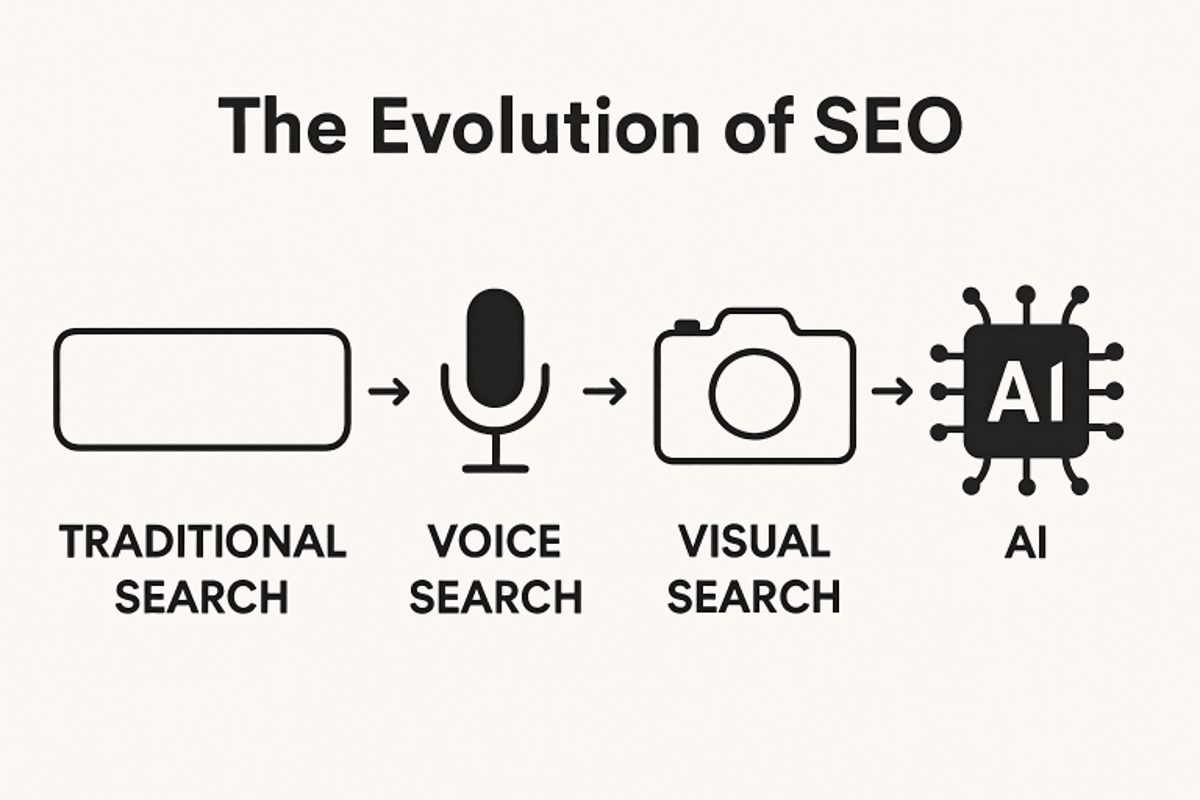
In today’s rapidly changing digital landscape, understanding and leveraging the latest SEO trends is crucial for digital marketers seeking sustainable growth and visibility. Advanced technologies like artificial intelligence, generative search engines, and interactive content experiences are fundamentally changing how audiences find and engage with content. To stay ahead, marketers must embrace new tools and methodologies, ensuring their strategies are robust, ethical, and adaptable. Whether you’re a growing brand or an established enterprise, partnering with an innovative SEO provider can help you navigate this evolving space. https://victorious.com/atlanta-seo-company/ is a great resource to start with if you’re looking for tailored local SEO solutions in the Atlanta area.
As search engines become more sophisticated, they reward websites that provide real value and seamless user experiences. Future-proofing your SEO approach isn’t just about technical tweaks—it’s about delivering clear, reliable, and engaging content that meets the needs of your audience. Staying informed of emerging trends, ethical standards, and fresh technologies ensures not only lasting rankings but also builds lasting trust with your users.
AI Integration in SEO
Artificial Intelligence (AI) is at the core of the modern search engine experience. Search leaders like Google and Microsoft have adopted machine learning models to understand nuances in user queries, context, and intent. For example, Google’s RankBrain leverages AI to process never-before-seen search queries and deliver precise results. AI-powered SEO platforms can now parse massive datasets, providing insights into keyword gaps, competitive benchmarks, and user behavior patterns at unprecedented scale. Marketers should embrace these tools for keyword optimization, automated content suggestions, and predicting ranking opportunities.
To maximize impact, prioritize creating content that directly addresses user intent. AI doesn’t just help search engines; it also empowers digital marketers to make data-driven decisions more quickly, allowing them to focus their efforts where they will have the most impact. A deep dive into the real impact of AI on modern SEO reveals how automation and machine learning have become essential for those seeking to scale organic growth efficiently.
Voice and Visual Search Optimization
Voice and visual search are reshaping the digital landscape, pushing beyond simple typed queries. With smart speakers and voice-enabled devices becoming household essentials, conversational search is now mainstream—75% of households in developed markets are projected to own a smart speaker by 2025. Voice queries are notably longer and more natural-sounding, so SEO strategies should target question-style content and featured snippets.
Visual search, powered by computer vision and AI, uses images for information retrieval. Platforms such as Google Lens and Pinterest enable users to search using images, which is particularly influential for ecommerce, travel, and local businesses. Marketers should ensure their images are high-quality, relevant, and properly tagged with descriptive alt text and schema markup. Structuring content to answer “how” and “what” queries can further improve the chances of being featured in voice and visual search results, enhancing visibility across devices.
Generative Search Engine Optimization
The rapid emergence of generative AI search engines—like ChatGPT, Perplexity, and Gemini—has led to a paradigm shift in how information is accessed online. Instead of displaying a ranked list of websites, these platforms synthesize citations from multiple sources to provide more complete answers. Key studies reveal a strong generative search preference for third-party, “earned” media over brand-owned or social platforms, which fundamentally changes content strategy priorities for marketers.
Practitioners should design content to be highly scannable and justification-ready for AI models, with a focus on establishing authority in earned media outlets. Tailoring messaging for different search engines and languages is essential, as AI systems do not always retrieve or evaluate content the same way as traditional search engines. This environment favors established sources, so niche players need to creatively build brand presence through authoritative collaborations and citation-worthy expertise.
Content Refresh Strategies
In a world where information—and user interests—shift rapidly, maintaining up-to-date content is vital. A strategic content refresh signals to search engines and audiences alike that your site is active, authoritative, and relevant. Updating existing pages with current data, optimizing for newly emerging keywords, and enhancing value with internal links or multimedia assets drives both user engagement and search visibility.
- Align your content with the latest ranking factors and user queries through regular audits.
- Identify and close keyword gaps by monitoring evolving trends with SEO platforms.
- Edit headlines, on-page copy, metadata, and visuals to maintain both factual accuracy and appeal.
- Capitalize on repurposing opportunities to reach adjacent topics and new audiences without creating from scratch.
- Incorporate actionable insights from analytics to monitor and iterate on performance post-refresh.
Consistent content updates help maximize link equity and preserve your site’s historical authority, driving sustainable traffic and engagement over time.
Ethical AI and Data Privacy
As AI-powered personalization grows in sophistication, so does scrutiny over ethical use and privacy. Consumers are increasingly aware of data-handling practices, prompting global standards such as the GDPR and the CCPA. Future-ready marketers must offer transparency around data collection, provide users with control over their personal information, and clearly communicate privacy policies. Responsible AI practices encompass algorithmic fairness and explainability, fostering trust and compliance in equal measure.
Brands that integrate strong data privacy frameworks and responsible AI stand to build deeper consumer relationships and safeguard against reputational and legal risks.
Interactive Content Experiences
As digital competition intensifies, user engagement has become the new currency of SEO. Interactive content—such as quizzes, calculators, augmented and virtual reality experiences—invites users to participate rather than just consume. These experiences not only boost time on page and brand recall but also foster meaningful, memorable connections.
Forward-thinking brands like Nike are integrating AR shoe try-ons, enabling customers to visualize products in their own space before making purchase decisions. Polls, surveys, and immersive infographics are also highly effective strategies for driving engagement and collecting zero-party data, which can inform future campaigns and personalization efforts. A dynamic content strategy positions your brand as innovative and memorable in consumers’ minds.
Conclusion
Adapting to the future of SEO is a continuous process, shaped by rapid advances in AI, changes in search technology, and shifting expectations for transparency and engagement. By embracing trends such as AI integration, generative search capabilities, voice and visual search optimization, regular content refreshes, strict data privacy, and interactive content, digital marketers can position their brands for enduring success. Staying agile and informed will allow brands to thrive, regardless of how dramatically the search landscape evolves.

- Modern SEO Trends and Future-Proof Strategies for Digital Marketers - January 28, 2026
- Fibe Personal Loan: Know Everything Before Getting an Instant Personal Loan - October 19, 2025
- Why Rehab Works: 8 Key Benefits of Professional Addiction Treatment - August 14, 2025